
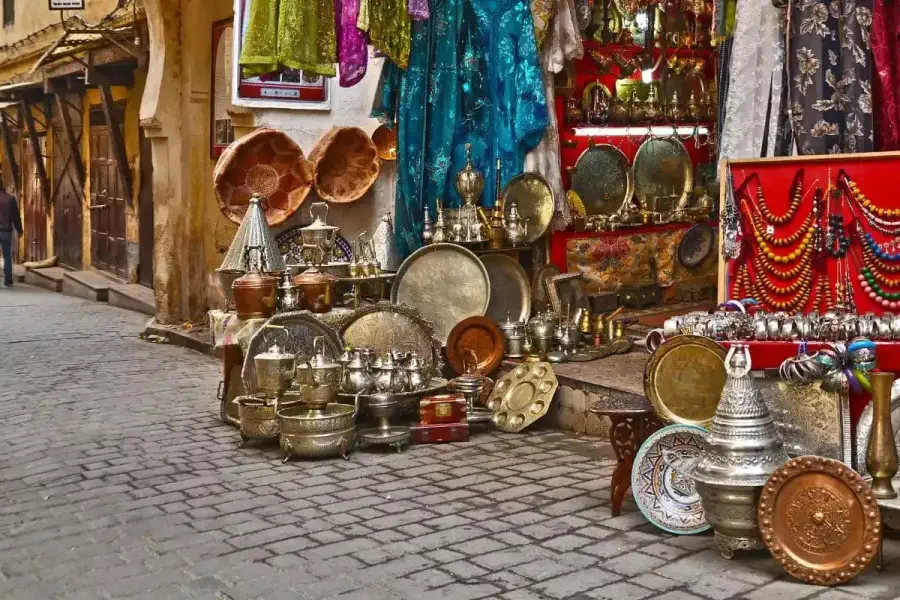
Entering the UAE market requires more than just great products, packaging and brand positioning play a pivotal role in winning customer trust. In the UAE, packaging is both a compliance document and a marketing tool. According to the International Trade Administration (ITA) all consumer products must meet strict labeling laws. For example, labels are required in Arabic (or Arabic + English) and must list core information like product name, ingredients, country of origin, expiry date, and usage/storage instructions. Halal certification is mandatory for products targeting Muslim consumers. Packaging design must respect local cultural norms, many brands incorporate Arabic calligraphy or regional motifs to resonate with Emirati values. In short, compliant, culturally-aware packaging builds trust while also reinforcing your brand in this diverse market.
Design Trends and Consumer Preferences
Beyond compliance, local consumers expect high-quality, modern packaging. In practice this means a clean, premium look. Many UAE brands favor minimalist designs: simple layouts with ample white space (or luxury paper textures) make logos and product imagery stand out. Rich, “royal” colors and finishes are common. For example, gold or cream tones to signal luxury, or deep blues/greens for a sense of tradition and serenity. Designers often use high-quality materials (thick cardstock, embossing, soft-touch coatings) and restrained color palettes, since these tactile cues strongly convey value. Conversely, a cluttered or low-end design can undermine consumer trust.
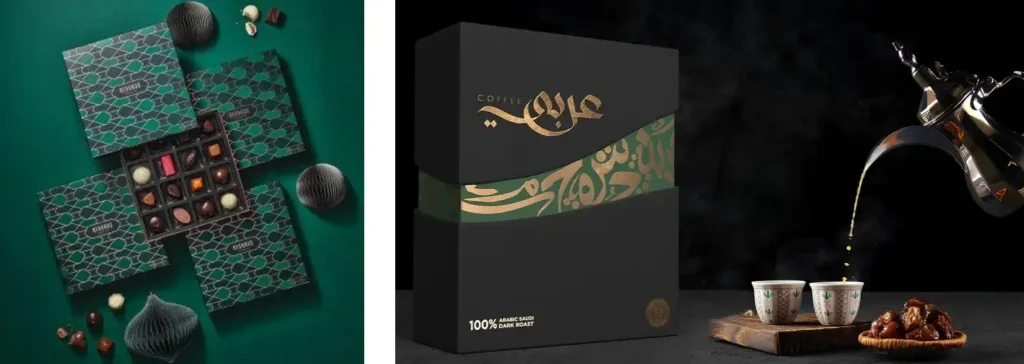
At the same time, local cultural elements are key. Incorporating Arabic calligraphy or motifs on the package instantly makes products more relatable to Emirati buyers. For example, a perfume or date gift box might feature ornate Arabic script or patterns inspired by Islamic art, signaling that the brand honors regional heritage. Even the choice of colors can have cultural resonance: gold and green hues often evoke luxury and prosperity in GCC markets. In short, successful designs balance international style with local flair, ensuring the product “speaks the language” of UAE consumers.
Packaging as Brand Positioning
Your packaging is a silent salesperson, it conveys your brand’s promise and differentiates you from competitors. In practical terms, this means the pack should reflect your overall positioning strategy. For instance, a premium chocolate brand in Dubai might use dark, matte boxes with gold lettering, whereas an everyday snack might use bright, cheerful graphics. Consistency is crucial: the same color scheme, typography, and logo placement should be used across packaging, websites and ads. This unified visual identity makes your brand instantly recognizable and memorable. In fact, well-aligned packaging can justify higher pricing, in competitive markets like the UAE, brands that look “stable, confident, and consistent” often command a premium.
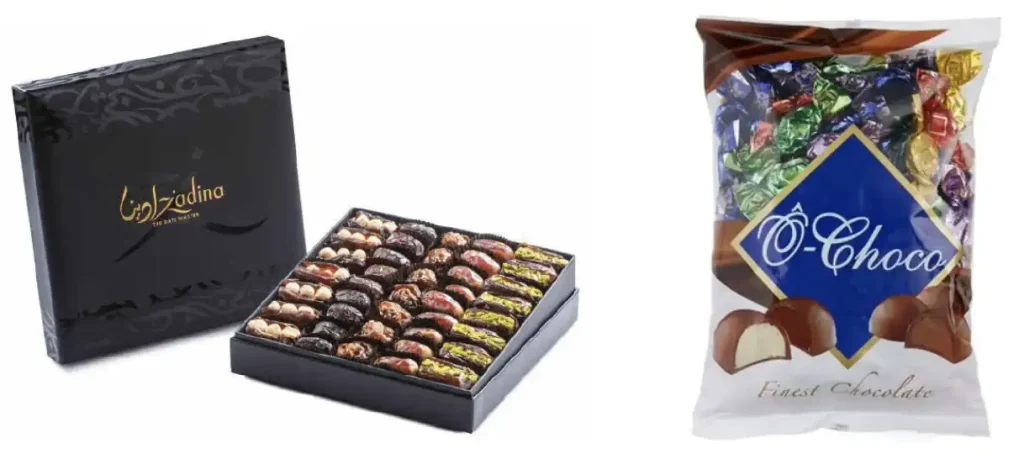
Effective packaging explicitly highlights what’s special about your product. Consider printing icons or short callouts for key benefits (“100% Organic”, “Award-Winning,” “Vitamin Enriched”, etc.) so consumers immediately see why they should choose your item. Use the space on your pack to tell a brief brand story or heritage note: e.g. a cosmetics brand might include a sentence about ingredient sourcing or company mission. These elements reinforce the brand story and build trust. Always keep the design clear and legible: as one branding expert notes, good design reduces confusion by making the message instantly understandable.
Sustainability and Innovation
Environmental concerns and tech trends are reshaping UAE packaging. The UAE has aggressively phased out single-use plastics and is pushing businesses toward sustainable materials. Roughly 75% of UAE shoppers prefer eco-friendly packaging. To meet these expectations, brands should use recyclable or compostable materials whenever possible. For example, paperboard boxes or plant-based films and clearly mark these green credentials on the pack. Such practices align with national goals like Dubai’s 2041 waste strategy, which promotes circular, lightweight packaging designs (UAE Flexible Packaging Market Size).
Innovation also adds value. Many UAE companies are experimenting with smart packaging, for example, printing QR codes, NFC tags or augmented-reality triggers on labels. Scanning a QR code might show a product video, recipe idea, or detailed specification sheet, creating a more interactive brand experience. Personalized packaging is another trend, custom-printed boxes or limited-edition designs (especially for events like Ramadan or national holidays) can delight customers and reinforce loyalty.
Finally, think about the sales channel. With e-commerce booming, packaging must protect products in transit and deliver a positive unboxing experience. Sturdy corrugated boxes and snug mailers (often fully branded inside and out) are now the norm. Easy-opening designs and extra touches (like branded tissue paper or a thank-you note) can turn a shipment into a marketing opportunity.
By carefully blending compliance, cultural insight, and strategic branding into your packaging, you can make a strong first impression on UAE consumers. Thoughtful packaging not only protects your product but also embodies your brand’s promise, helping you stand out in this competitive market.